Source biodegradable pe foldable water pouch for Travel, Camping, and Emergency Kits
Find and compare 30 biodegradable pe foldable water pouch options from verified manufacturers. Evaluate features like spout tops, laminated materials, and custom printing to select the ideal portable drinking solution for your promotional or industrial needs.
Key considerations
Products List

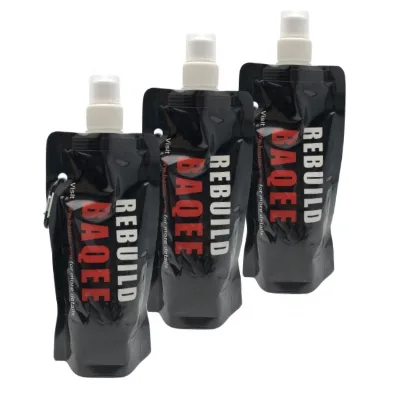
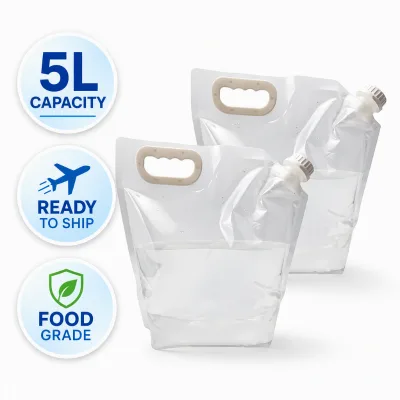
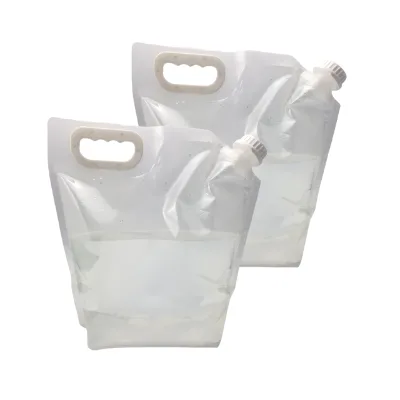


Comprehensive Sourcing Guide
Biodegradable PE Foldable Water Pouch Sourcing Guide
Sourcing flexible packaging for hydration needs requires a careful balance between material performance, logistical efficiency, and environmental responsibility. The market for foldable water pouches has expanded significantly, driven by the demand for portable, lightweight, and space-saving solutions for outdoor activities, emergency preparedness, and promotional campaigns. Buyers must navigate a complex landscape where terms like "biodegradable" and "PE" are often used interchangeably or misleadingly. Understanding the distinction between standard polyethylene structures and truly compostable materials is the first critical step in defining procurement requirements. This guide provides evidence-based insights to help procurement professionals evaluate suppliers, verify technical claims, and mitigate risks associated with flexible packaging orders.
The following sections outline the essential considerations for sourcing these products, from interpreting listing signals to establishing long-term quality controls. By focusing on verified attributes such as material structure, sealing mechanisms, and compliance documentation, buyers can make informed decisions that align with both operational needs and sustainability goals. The guidance herein is derived from observed market data and trusted industry knowledge, ensuring that recommendations are practical and grounded in current sourcing realities.
Product Scope and Observed Listing Signals
Procurement teams should begin by analyzing the specific product attributes listed by suppliers to distinguish between generic spout pouches and specialized foldable units. Observed listings frequently highlight features such as "foldable," "spout top," and "multi-color" options, which indicate versatility in design and application. For instance, products with model numbers like fb0028 or sd0113 often come with specific dimensions, such as 13*23+7cm or 37.7*41+8cm, catering to different volume requirements ranging from 700ml to 5L. Buyers must verify if the "foldable" claim refers to the pouch's ability to collapse when empty, a key feature for reducing waste volume during transport and storage. Additionally, the presence of a "spout top" sealing mechanism is crucial for ensuring leak-proof performance, especially for liquids like water, beer, or milk.
Material composition is another critical signal that requires careful scrutiny. While some listings advertise "PE" (polyethylene) as the primary material, others specify a laminated structure such as "PET+PA+PE" or "PA/NY." This distinction is vital because pure PE pouches may lack the necessary barrier properties for long-term storage or oxygen-sensitive beverages. The observed data indicates that many suppliers offer "laminated material" structures to enhance durability and barrier performance. Buyers should also note the "surface handling" techniques, such as "gravure printing," which affect the aesthetic quality and branding potential of the pouch. Understanding these structural differences helps in selecting the right product for specific use cases, whether for industrial promotion, beverage packaging, or general water carrying.
Technical Specifications to Verify
When evaluating technical specifications, buyers must prioritize the material structure and thickness to ensure the pouch meets functional requirements. The observed data shows a range of thicknesses, such as 0.21, which likely refers to microns or a similar unit, impacting the pouch's durability and resistance to punctures. It is essential to verify whether the material is single-layer PE or a multi-layer laminate, as the latter typically offers superior barrier properties against moisture and oxygen. For applications involving beverages like beer or milk, a "barrier" feature is often necessary to preserve product quality. Buyers should request detailed material breakdowns from suppliers to confirm that the inner layer is food-safe and suitable for direct contact with liquids, while the outer layers provide structural integrity and printability.
Sealing and handling mechanisms are equally important technical aspects that influence user experience and product safety. The "spout top" design is a common feature, but buyers should verify the type of spout, such as a screw cap or flip-top, and its compatibility with the pouch material. Additionally, the "stand-up pouch" capability, if required, depends on the bottom gusset design and material stiffness. Observations indicate that some products are marketed as "stand-up" while others are simply "foldable," so buyers must clarify this distinction to avoid receiving pouches that cannot maintain their shape when filled. Furthermore, the "single package size" and "gross weight" data, such as 22X12X0.3 cm and 0.080 KG, provide insights into the packaging efficiency and shipping costs, which are critical for logistics planning.
Compliance and Safety Documentation
Compliance with food safety standards is non-negotiable for any packaging intended for beverage or water storage. Buyers must ensure that suppliers provide documentation confirming that the materials used, such as PE or laminated structures, are free from harmful substances like BPA. The observed data mentions "BPA Free" and "Food Safe" as key advantages, but these claims must be backed by official test reports or certificates from recognized laboratories. It is crucial to verify that the inner lining material meets the regulatory requirements of the target market, whether it is the FDA in the United States, EFSA in Europe, or local standards in China. Buyers should request specific migration test results to ensure that no harmful chemicals leach into the liquid under normal storage conditions.
Environmental claims, such as "biodegradable" or "recyclable," require rigorous verification to avoid greenwashing risks. While some listings mention "EN 13432" or "ASTM D6400" standards, these are typically associated with compostable materials rather than standard PE pouches. Buyers must clarify whether the product is truly compostable, recyclable, or simply made from recyclable materials. If the goal is to source biodegradable pouches, buyers should ask for specific certification marks and third-party test reports that confirm the material's ability to break down under industrial or home composting conditions. It is important to note that standard PE pouches, even if labeled as "recyclable," may not be accepted in all recycling streams, so buyers should align their sourcing decisions with their organization's sustainability goals and local waste management infrastructure.
Cost Drivers and Commercial Terms
Several factors influence the cost of foldable water pouches, including material type, printing complexity, and order volume. The observed price range of 0.03-302 USD suggests a wide variation based on product specifications, with lower prices likely corresponding to simpler, smaller pouches and higher prices for larger, multi-layered, or custom-branded units. Buyers should consider the "MOQ" (Minimum Order Quantity), which ranges from 1 to 30000 pieces, as this significantly impacts unit pricing. Higher volumes typically result in lower per-unit costs due to economies of scale in production and printing. Additionally, the "customization" options, such as logo printing and graphic design, add to the cost but can enhance brand visibility for promotional campaigns.
Commercial terms, including lead times and payment conditions, are critical for supply chain planning. The observed lead time of 15 days is a common benchmark, but buyers should confirm if this applies to standard or custom orders, as customization may extend production times. It is also important to clarify whether the quoted price includes shipping, taxes, and duties, as these can significantly affect the total landed cost. Buyers should negotiate clear terms for sample orders, as many suppliers offer "free samples" to help evaluate quality before committing to large orders. Understanding these commercial dynamics helps in budgeting accurately and avoiding unexpected costs during the procurement process.
Supplier Qualification and Quality Control
Selecting a reliable supplier involves verifying their manufacturing capabilities and quality control processes. Buyers should prioritize suppliers with established factories, such as those located in Zhejiang or Anhui Province, China, as these regions are known for their flexible packaging industry. It is essential to request evidence of the supplier's production capacity, including machinery details and workforce size, to ensure they can meet order volumes and deadlines. Additionally, buyers should inquire about the supplier's quality control protocols, such as in-process inspections and final product testing, to minimize the risk of defects like leaks, seal failures, or printing errors.
Third-party audits and certifications can provide additional assurance of a supplier's reliability. Buyers should consider engaging independent inspection agencies to conduct factory audits and product quality checks, especially for large orders. These audits can verify the supplier's compliance with social, environmental, and quality standards, reducing reputational and operational risks. Furthermore, buyers should establish clear communication channels with suppliers to address any issues promptly and ensure that any changes in specifications or requirements are accurately reflected in the final product. Building a strong relationship with a qualified supplier is key to maintaining consistent quality and supply continuity.
Long-Term Procurement Checks
Sustainable sourcing practices require ongoing monitoring and evaluation of supplier performance and product impact. Buyers should regularly review supplier compliance with environmental regulations and sustainability commitments, ensuring that any claims regarding biodegradability or recyclability remain valid and supported by up-to-date certifications. It is also important to stay informed about changes in material technologies and market trends, as new innovations may offer better performance or lower environmental impact. By maintaining a proactive approach to supplier management, buyers can adapt to evolving requirements and continue to meet their organization's sustainability goals.
Continuous improvement in procurement processes involves analyzing feedback from end-users and internal stakeholders to identify areas for enhancement. Buyers should collect data on product performance, such as durability, ease of use, and customer satisfaction, to inform future purchasing decisions. Additionally, exploring opportunities for collaboration with suppliers on product development can lead to customized solutions that better meet specific needs. By fostering a culture of continuous improvement and strategic partnership, buyers can optimize their sourcing strategies and drive long-term value for their organizations.
FAQs
What materials are used in the foldable water drinking pouch?
The pouch utilizes a laminated material structure composed of PET, PA, and PE layers. This multi-layer construction ensures durability and effective barrier properties for safe liquid storage. The outer PE layer provides flexibility, while the internal layers maintain integrity during use and transport.
Can the pouch be customized with a specific logo or graphic?
Yes, customization is available for logo and graphic design applications. The product supports gravure printing on the surface, allowing for detailed branding. Buyers can request specific designs to meet promotional or industrial use requirements, ensuring the packaging aligns with their brand identity.
What is the typical lead time for production orders?
The standard lead time for production is 15 days. This timeframe applies to general orders for the foldable water spout pouch. Buyers should account for this duration when planning inventory, especially for bulk purchases or customized designs that may require additional processing steps.
What is the minimum order quantity for these pouches?
The minimum order quantity is 100 pieces. This MOQ allows for flexible sourcing for small to medium-sized buyers. The selling units are structured as multiples of 100 items, facilitating easier inventory management and order processing for various industrial and promotional applications.
What are the dimensions of the 5L foldable water pouch?
The 5L model measures approximately 37.7 by 41 plus 8 cm. This size accommodates a substantial volume of liquid while remaining portable. The design includes a spout top for easy drinking, making it suitable for carrying water in outdoor or promotional settings.
Is the product safe for food and beverage contact?
Yes, the pouch is designed to be food safe and BPA free. It is suitable for storing beverages such as beer, milk, and water. The material structure ensures that the contents remain protected from external contaminants while maintaining the quality and taste of the liquid.